


A Guide to Reading Fluency
This short blog is perfect if you want to find out what reading fluency actually means or want to know the practices, strategies, and resources that best support fluency in schools.
For many children who read regularly, fluency is something that develops naturally. As decoding skills are mastered, along with the ability to read an increasing number of words automatically by sight, children’s reading becomes smoother, quicker, and more confident. Pupils no longer spend all their effort and brain power on trying to work out what individual words say and can instead focus on understanding and enjoying what they’re reading. For this reason, reading fluency is often referred to as the bridge between decoding and comprehension. Children who can read fluently are not only more likely to choose to read and enjoy reading but they are also more likely to find accessing all other areas of the curriculum easier and are more likely to succeed academically.
Jump straight to our Reading Fluency Collections for Primary Schools. Buy from School Bargain Bookshop to enjoy massive savings of up to 50% off RRPs.
What is reading fluency and why is it important?
Reading fluency is not new! The word fluency comes from the Latin fluere, meaning ‘to flow’. In terms of reading fluency, it relates to being able to read words smoothly, accurately, and without hesitation. The idea of reading words automatically, so the reader is left with the cognitive capacity to think about and understand what they’re reading, was first established in the 1970s. Then, in the 1990s, reading fluency became more clearly defined as reading with; accuracy (reading words correctly), automaticity (reading words quickly and at a glance), and prosody (reading with expression and reflecting the meaning of the text.)
Today, the term reading fluency is used alongside phonics, vocabulary, language development, and reading comprehension as a key component of becoming a skilled reader. However, fluency alone does not make a skilled reader. For example, a child who can read words quickly and accurately but doesn’t know what the words mean will not be able to understand what they’ve read. Or a child with a good understanding of language will still struggle if their reading is slow and laboured. All these elements need to work together, with fluency being the vital link between decoding words and understanding them.
Pupils who read fluently are more likely to:
· Choose to read and enjoy reading.
· Read confidently and be happy to read longer books.
· Understand what they are reading.
· Develop a rich vocabulary.
· Improve language and reading comprehension.
· Access the wider curriculum and make greater academic progress.
How can schools teach reading fluency?
There are many strategies for teaching reading fluency, which should be incorporated in engaging, interactive ways throughout the school day. The most effective way to develop reading fluency in your classroom is to match strategies to your cohort's learning styles and needs. Here’s a list of strategies to get you started:
· Guided Reading: Working on reading fluency with small groups using levelled or banded book collections.
· Modelled Reading: The adult reads aloud, demonstrating fluent reading through expression, pace, and intonation.
· Repeated Rereading: Pupils read the same text multiple times to improve speed and accuracy.
· Paired Reading: More confident readers support peers in reading aloud.
· Echo Reading: The adult reads a short section aloud, modelling fluency, for the pupils to repeat. This technique is most effective when used to model a particularly dramatic or exciting part of the text, rather than longer sections, which will disrupt the flow of the story.
· Choral Reading: Pupils read the same book aloud together, supporting expression and rhythm. This approach works particularly well with pupils who feel self-conscious about reading aloud and helps struggling readers feel safer about making mistakes.
· Performance Reading: Pupils read plays or performance texts aloud, helping with expression, confidence and increased enjoyment.
· Drop In Reading: The adult reads aloud. When they pause, the pupil/s who have been following along say the next word. The adult continues and the process is repeated. This encourages pupils to track the text accurately and read along at pace.
· Independent Reading: Regular opportunities for independent reading give pupils the opportunity to apply and strengthen reading fluency at their own pace.
· Reading for Pleasure: Having conversations about books and helping children find the books they would like to read will increase reading practice, helping to improve confidence, reading stamina, enjoyment and fluency over time. Top up bookshelves with the best library book collections to ensure every child can find books that match their interests and ability.
Which books are best for improving reading fluency?
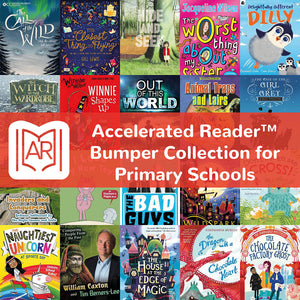
The best books for improving reading fluency are ones that match your pupil’s reading ability, age and interests. An inviting selection of banded books and levelled Accelerated Reader books will help you ensure every reader can find a book they want to read, at just the right level for them. Plays also provide valuable opportunities for pupils to practise reading aloud with expression, in a fun and collaborative way. For older, struggling readers, hi-lo books (high-interest, low-reading-age) help pupils build reading fluency and confidence, without them feeling like the books are too young.
How to support older children who aren’t reading fluently?
Children’s reading journeys can vary dramatically and for many different reasons. The first step in supporting children who have fallen behind is assessing where the reader is on their journey, identifying any barriers to reading and planning their next steps. For example, older students who need support in reading fluency may have decoding gaps in their early reading development, be learning English as an additional language, or find word recognition challenging. Fluency does not usually come naturally to struggling readers, who will need carefully planned teaching, repeated practice and access to books that match both their reading ability and their interests.
Browse books for Reluctant or Struggling Readers in Primary Schools
Browse Hi-Lo books for Readers in Secondary Schools
Can Accelerated Reader support reading fluency?
Yes. Accelerated Reader (AR) supports reading fluency by guiding pupils towards books that are matched to their reading ability, encouraging regular, independent practice and helping to develop confidence. However, this alone will not improve reading fluency. AR needs to be combined with the specific strategies for teaching reading fluency, listed earlier, to develop expression, pace and automaticity in reading.
Top 4 FAQs
How often should pupils practise reading fluency?
10 minutes practice every day is generally more effective than a longer session once a week. Your approach to teaching fluency will be guided by the number of pupils you’re working with, their abilities and interests, and the availability of adults to work with these children. Timetabling often needs to be flexible and creative to work at its best!
Should pupils reread books?
Absolutely! Rereading books is one of the most evidence-informed ways of improving reading, accuracy, pace, and expression. As pupils become more familiar with a text, their confidence, independence and reading stamina often increase too, along with their understanding of what’s being read.
Help children find their next favourite read by keeping bookshelves stocked with fresh, exciting books for primary readers and library collections for secondary students. School Bargain Bookshops discounted books allow schools to bring more choice and variety to their shelves and help make budgets go even further.
Do older pupils still need to be taught fluency?
Definitely. Teaching reading fluency will benefit children of all ages by improving reading comprehension, confidence, enjoyment, and access to the wider curriculum. Explicitly teaching reading fluency is particularly important for students who have fallen behind and are receiving intervention support for reading. Research tells us that children who find reading difficult will often read less, limiting opportunities for progress to be made and reinforcing future reluctance to pick up a book. Teaching strategies to improve reading fluency, using accessible hi-lo books that interest older readers, can help break this cycle and make reading more successful and fun. As students become more fluent readers, they are more likely to choose to read independently, creating further opportunities for growth.
Is reading aloud good or bad for building confidence?
Reading aloud can be a very effective way to develop fluency skills and build confidence. However, even the thought of reading aloud in front of their peers can cause great anxiety, especially for struggling readers who might be afraid of making mistakes. It’s always important to take the individual needs of the student into account and adapt activities to ensure a safe, encouraging space where pupils can develop their reading fluency and confidence without fear of embarrassment. Paired reading, reading aloud in small groups, choral reading, or one-to-one support are all effective approaches for this.
In conclusion
Reading fluency is so much more than being able to read quickly. It’s about reading words accurately, at an appropriate pace, and with expression, while understanding what has been written and bringing the author’s words to life. Reading with accuracy, automaticity and prosody enables language and reading comprehension, creating confident and capable readers.
Browse all our carefully selected Reading Fluency Collections.
Want to keep reading? Find out more about hi-lo books and how they can help build reading fluency and confidence in our Guide to Hi-Lo Books.
